Speak to our specialist sales team | 0151 372 7766 | in**@**************co.uk
Public sector & education POs accepted


Discover professional indoor digital signage displays for retail stores, offices, reception areas, hospitality venues and commercial spaces. FutureVisuals supplies high-quality digital display screens for advertising, information, communications and customer engagement.
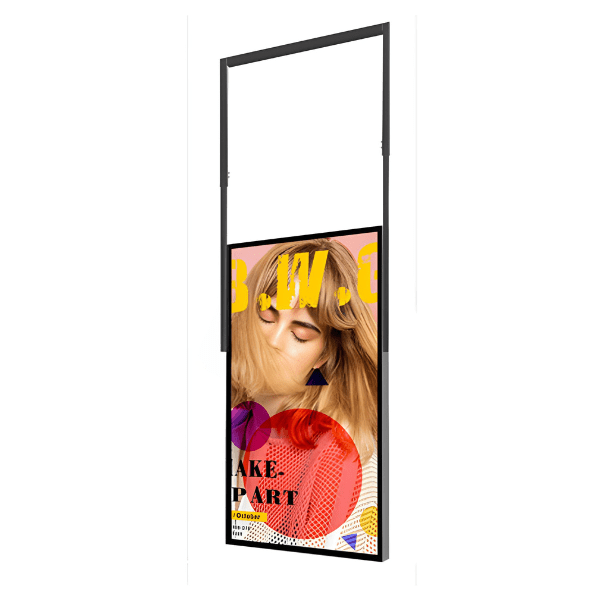
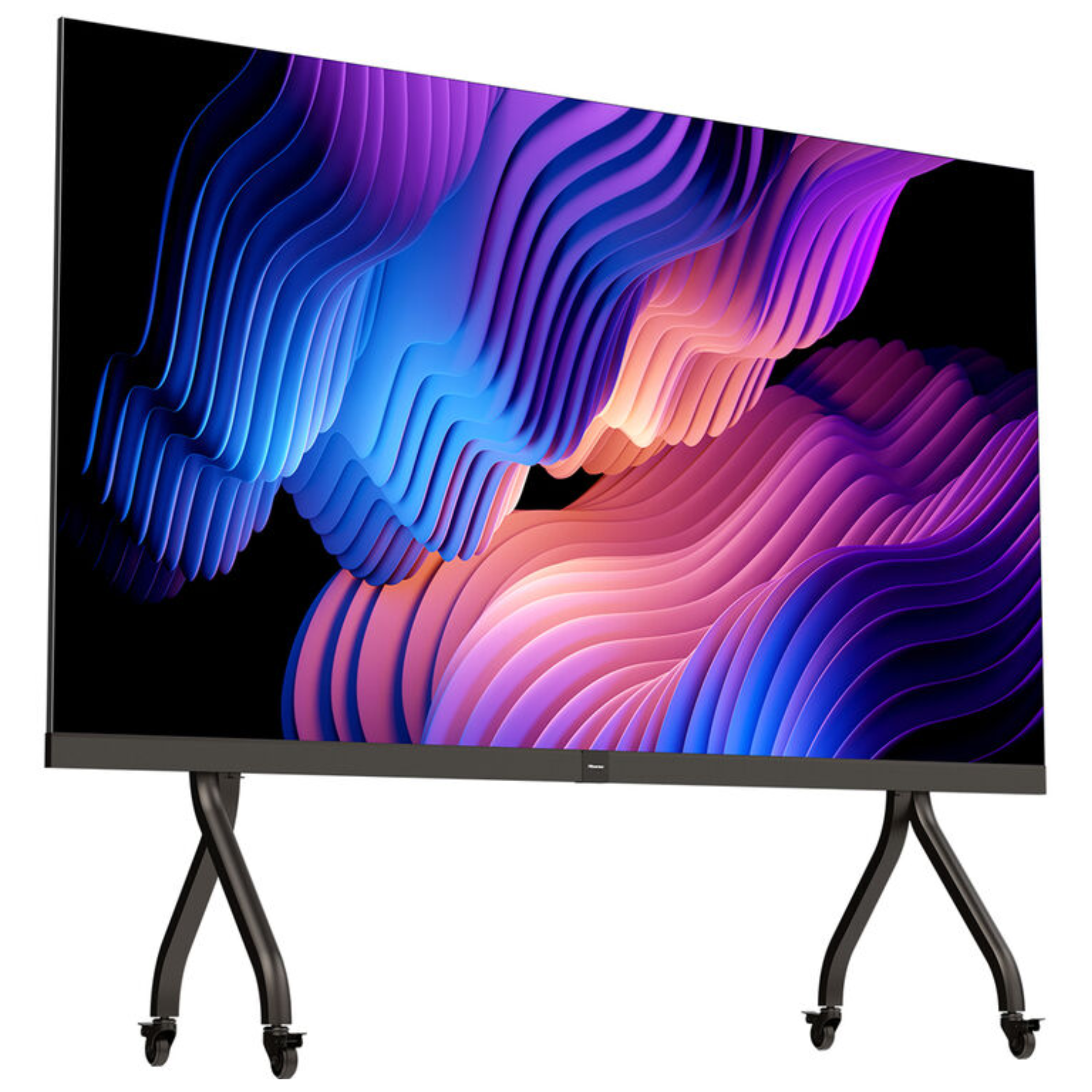
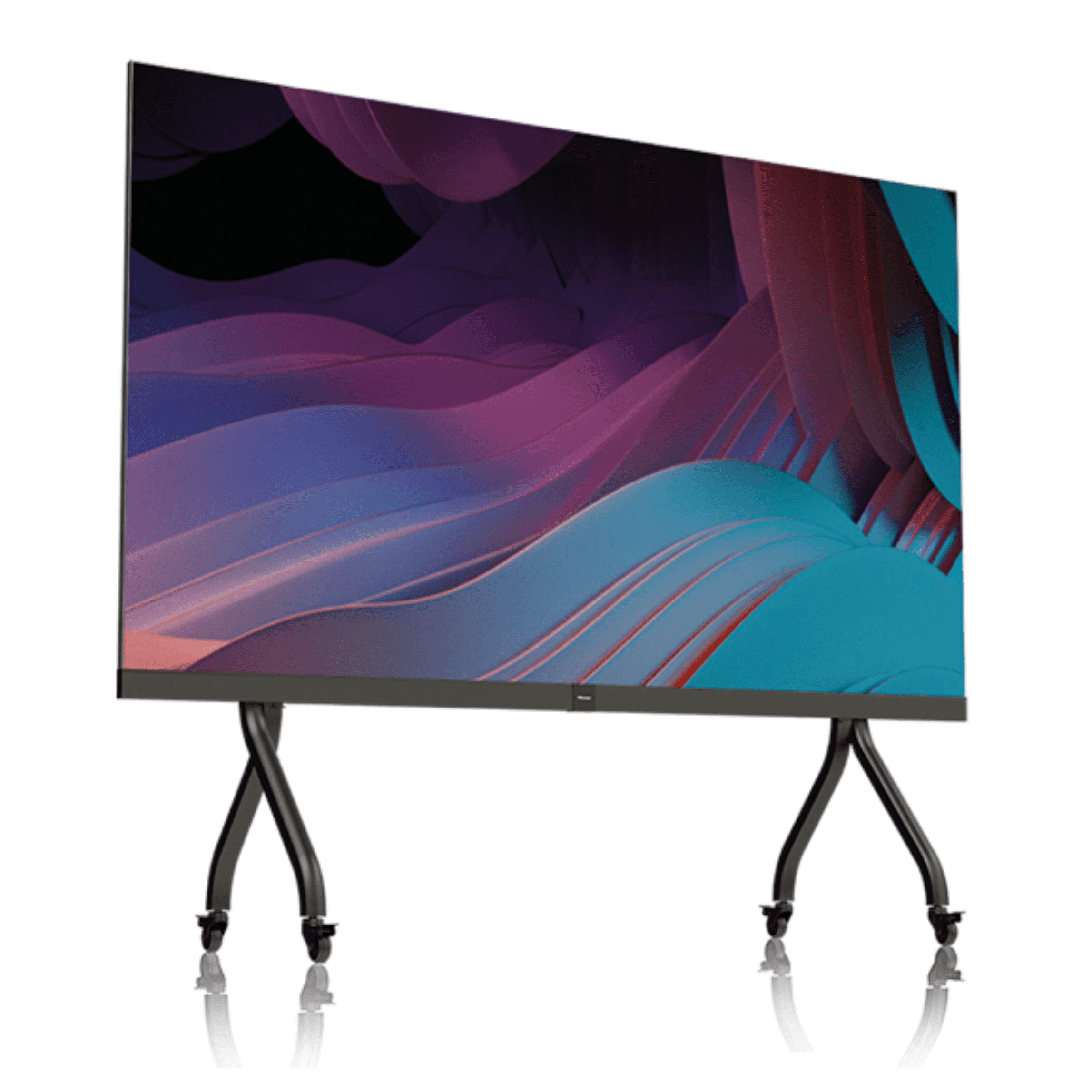
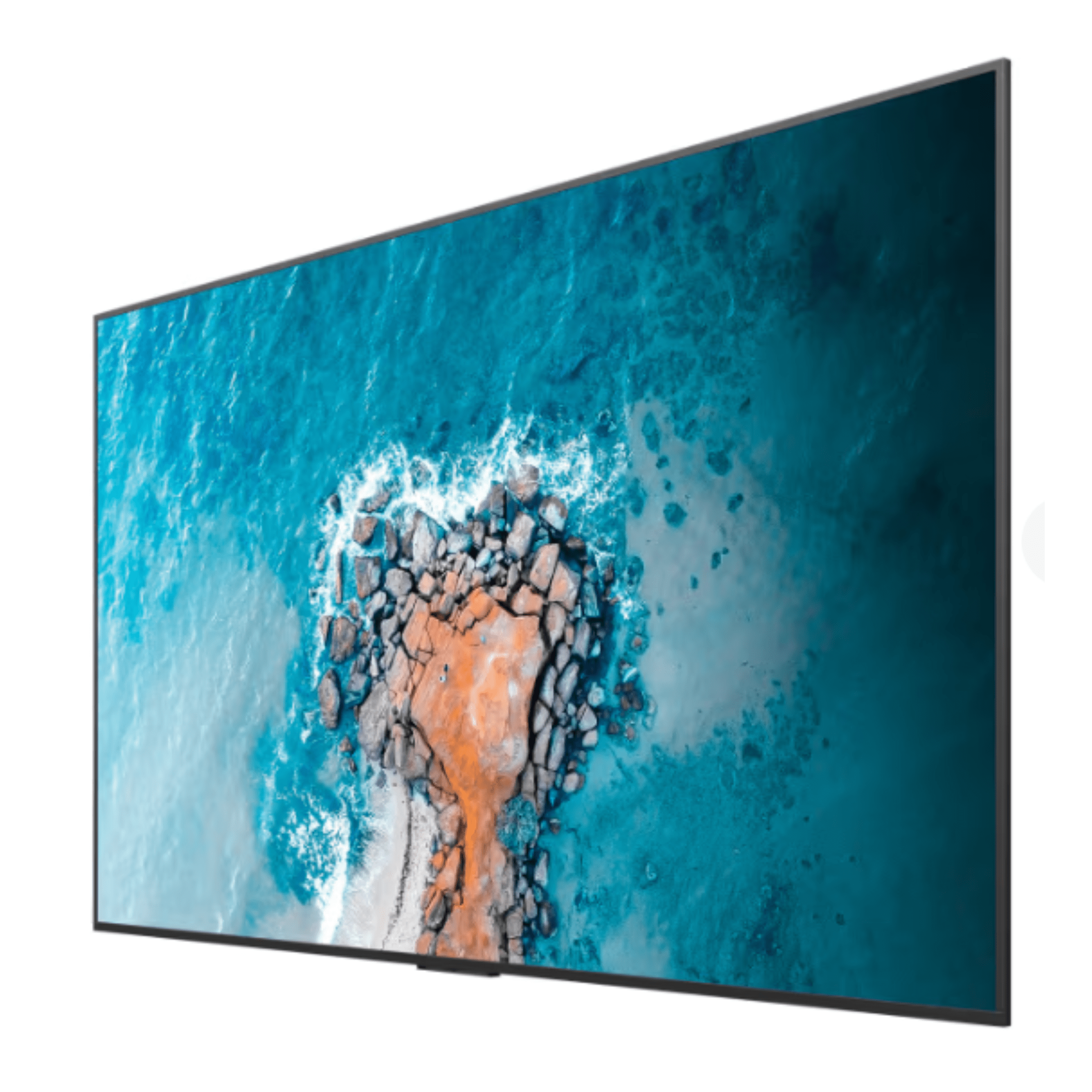
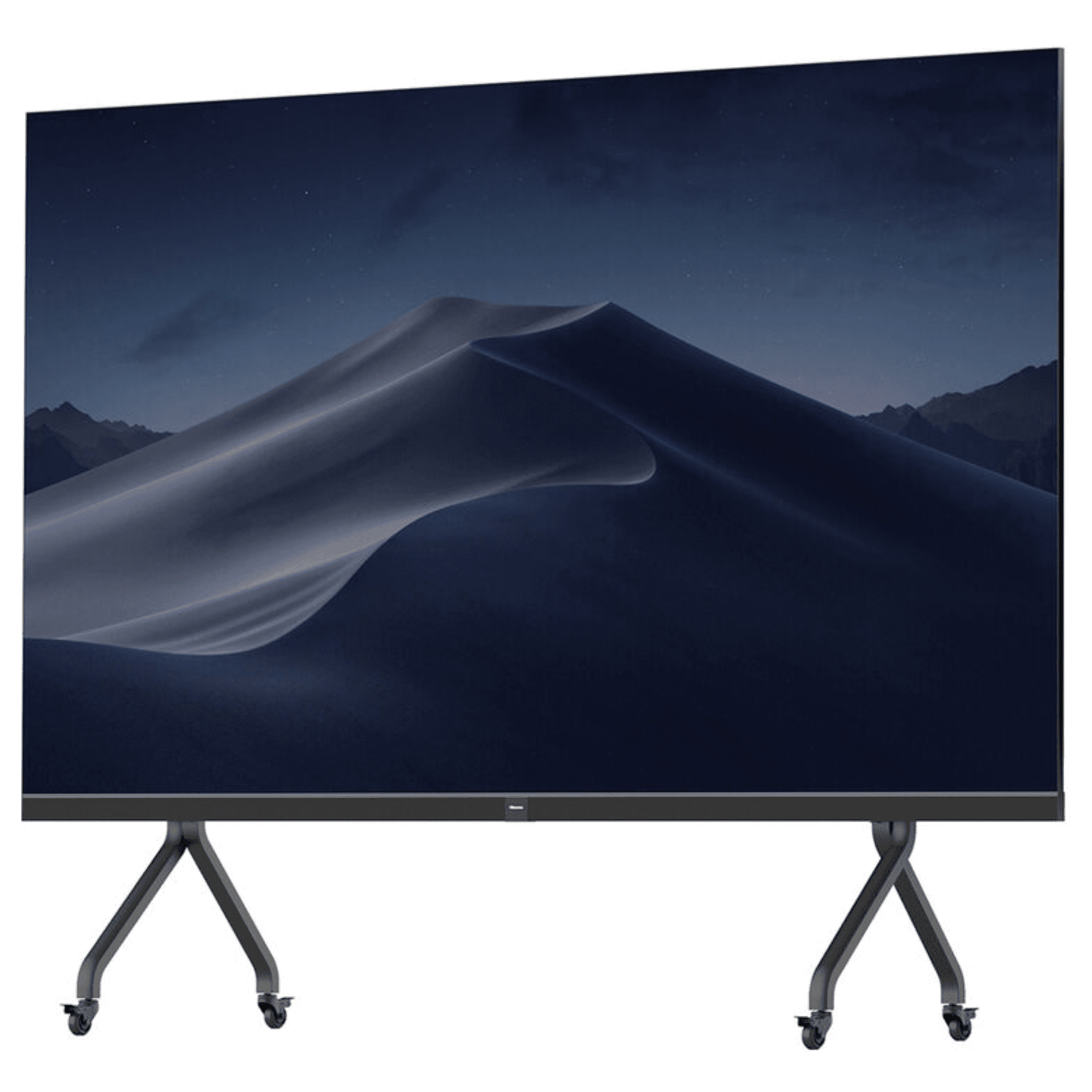
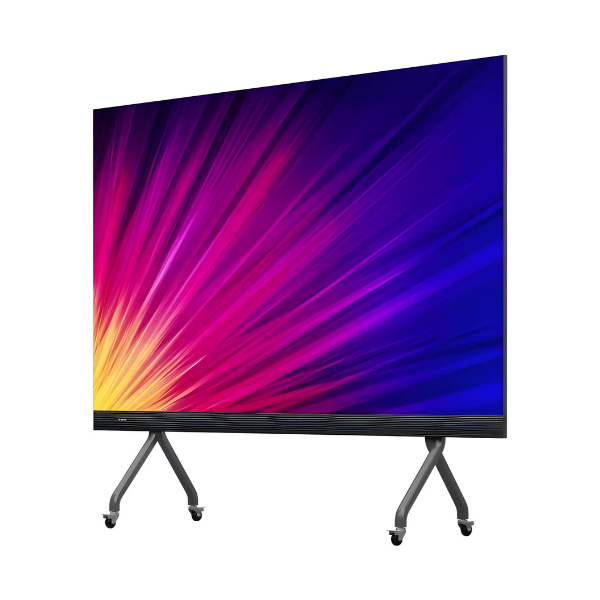
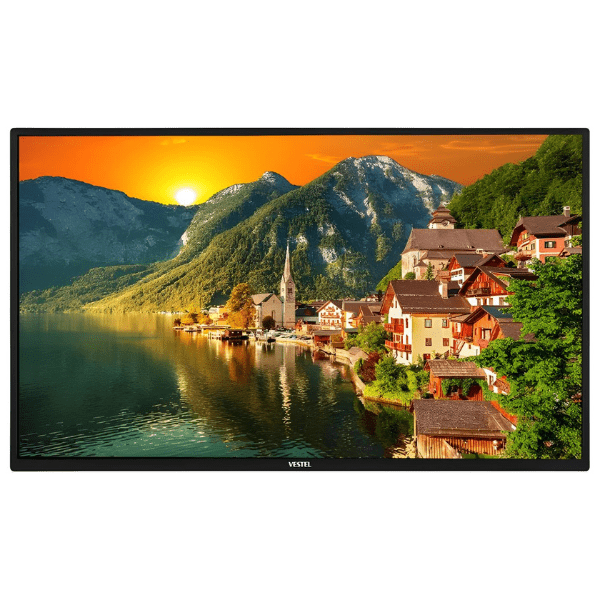
Choose from indoor advertising screens, digital window displays, freestanding digital signage, touchscreen displays, digital notice boards and large-format indoor screens. With slim, narrow bezels for a clean, modern appearance, these displays are designed to create a professional visual experience while maximising available screen space.
Commercial-grade options are available with 16/7 or 24/7 operating runtimes, helping you choose a display suited to your required usage and operating schedule. Selected models feature integrated media players and CMS compatibility, making it easier to manage, schedule and update digital content across your displays.
Displays can be installed in either portrait or landscape orientation, providing greater flexibility for different spaces, content formats and installation requirements. Whether you need digital signage for a retail store, office, reception area or shop window, our range offers professional indoor display solutions to suit a variety of commercial environments and applications.

Commercial indoor displays are built to run for extended hours, feature anti-glare screens, higher brightness, and offer locked settings to prevent tampering. Consumer TVs are designed for lighter domestic use, lack commercial warranties, and typically do not support portrait orientation or continuous operation.
Select a screen size based on viewing distance and available wall or floor space. For close-range viewing in small meeting rooms or retail pods, smaller displays (around 32 to 43 inches) work well. Larger spaces like reception areas, auditoriums, or main store floors usually require 55-inch to 86-inch displays or video walls. If your room setup requires hands-on collaboration or interactive group learning rather than wall mounting, explore our mobile interactive touch tables.
Many commercial indoor displays are rated for 24/7 continuous operation, while others are rated for 16/7 use (16 hours a day, 7 days a week). Always check the spec sheet to match the panel’s runtime rating to your business operating hours.
Not always. Many modern commercial displays include built-in System on Chip (SoC) media players or integrated Android OS, allowing you to run digital signage software directly on the display. External media players are typically used for more complex multi-screen setups or specific software requirements.
Standard indoor displays are usually not bright enough for high-sunlight window placement and may overheat or suffer from glare. For windows exposed to direct sunlight or exterior shopfronts, high-brightness window displays or commercial-grade high-brightness outdoor displays with high thermal resistance and weatherproof IP ratings are recommended.
© 2026 FutureVisuals, a trading name of All Office Ltd. | Website by Crayon Digital