Speak to our specialist sales team  |  0151 372 7766  |  in**@**************co.uk

Public sector & education POs accepted

From Reading to Experiencing: The Role of Immersive Technology in Literacy

How immersive learning, ClassVR and interactive technology can help create more engaging literacy experiences in schools and universities.

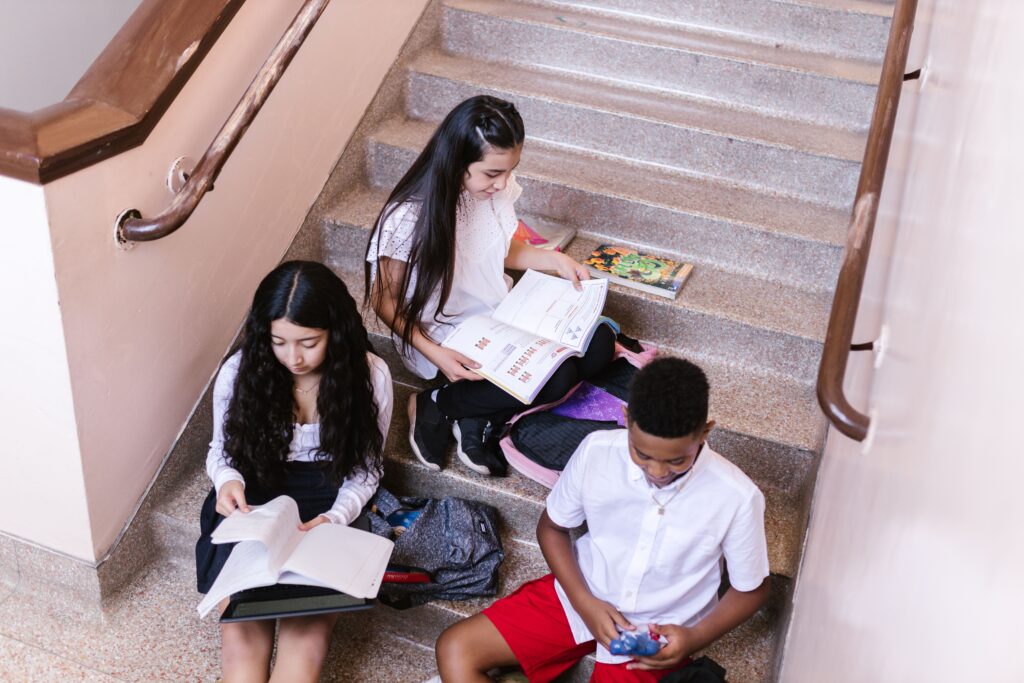
Reading remains one of the foundations of learning. It supports communication, vocabulary, comprehension and the ability to understand the world around us.

But getting learners to engage with reading can be challenging.

The latest research from the National Literacy Trust found that just 36.1% of children and young people aged 8–18 said they enjoyed reading in their free time in 2026. While this represents a small increase from 32.7% in 2025, it remains considerably below levels seen a decade ago.

So how can educators create learning experiences that encourage curiosity and help learners connect more meaningfully with reading?

One opportunity is immersive technology in education.

Why does engagement matter in literacy?

Technology alone won’t make someone a better reader.

However, creating opportunities for learners to become more interested, curious and involved in what they are learning can support a more positive relationship with reading.

The National Literacy Trust’s 2026 research highlights the continued importance of reading engagement, with only 20.3% of 8–18-year-olds reporting that they read daily in their free time.

This makes finding new ways to encourage reading engagement an important consideration for educators.

Immersive learning doesn’t mean replacing books or traditional teaching.

Instead, it can provide another way for learners to connect with the content they are already studying.

What is immersive learning?

Immersive learning uses digital environments and technology to place learners inside an experience.

In an education setting, this might involve:

→ Exploring a virtual environment using ClassVR

→ Bringing a story or subject to life inside an Immersion Room

→ Using interactive displays to explore text, images and ideas

→ Combining visual, audio and interactive content to create a shared learning experience

The aim isn’t simply to make a lesson more exciting.

It’s to give learners something to explore, discuss, question and connect back to their learning.

Bringing stories beyond the page

Consider a class reading a story set in an unfamiliar environment.

The teacher could begin with the book, exploring the author’s descriptions and introducing key vocabulary.

The learners could then explore an immersive representation of the setting.

What can they see?

What sounds might they hear?

How would they describe the environment?

What might the characters experience there?

The experience can then lead back to the text.

Learners can compare what they experienced with the author’s description, identify new vocabulary and use what they have explored as inspiration for their own writing.

The technology hasn’t replaced reading.

It has created another route into the story.

How Immersion Rooms can support literacy

An Immersion Room can transform a learning space using projected scenes, interactive floors, sound, lighting and optional sensory elements.

This allows an ordinary room to become a rainforest, an ocean environment, a historical setting or another world connected to the lesson.

For literacy, this creates opportunities to use immersive environments as a stimulus for:

→ Creative writing

→ Descriptive vocabulary

→ Storytelling

→ Comprehension and discussion

→ Exploring characters and settings

→ Collaborative learning

For example, instead of simply asking learners to imagine a rainforest from a written description, an immersive environment can provide a shared visual setting to explore before returning to the text.

The teacher can then use that experience to develop language and understanding.

Explore Immersion Rooms →


pexels silverkblack 36698338

Using ClassVR to explore new worlds

Virtual reality can offer another way to connect reading with experience.

With ClassVR, learners can explore virtual places and environments that may be difficult to access in person.

This could support literacy by providing inspiration and context around a text.

A class studying a story set in another country could explore the environment before discussing the setting.

Learners could explore a landscape before writing a descriptive passage.

Or they could investigate a location connected to a story and use what they discover to develop questions, vocabulary and discussion.

The important part is what happens before, during and after the experience.

The technology provides the stimulus.

The teaching turns that experience into learning.

Explore ClassVR →

Making literacy more interactive

Interactive displays can also support engagement by making learning more collaborative.

Teachers can bring text, images, video and interactive activities together, allowing learners to contribute ideas and explore content as a group.

A class might:

→ Highlight unfamiliar vocabulary

→ Build a visual story map

→ Analyse a character

→ Explore different interpretations of a text

→ Collaboratively develop ideas for creative writing

This can help move learners from simply receiving information towards actively participating in the lesson.

Explore Interactive Displays →

Immersive technology should complement great teaching

The most effective use of education technology isn’t necessarily the most impressive.

It starts with the learning objective.

If an immersive experience helps learners understand a setting, then it has a purpose.

If ClassVR provides useful context for a story, it has a purpose.

If an interactive display helps a class collaborate around a text, it has a purpose.

The technology should support the teacher rather than compete with them.

The pedagogy comes first. The technology provides another tool.

pexels katerina holmes 5905524

From reading to experiencing

The UK’s reading engagement challenge isn’t going to be solved by technology alone.

But technology can offer educators new ways to create meaningful learning experiences.

Books remain fundamental.

Teachers remain essential.

And immersive technology can provide another layer between the two, helping learners explore the environments, ideas and experiences behind the words they are reading.

From an Immersion Room to ClassVR and interactive displays, the opportunity is not to replace traditional literacy teaching.

It is to expand what learning can look like around it.

Because sometimes, helping a learner connect with a story starts with giving them the opportunity to step inside its world.

Explore Interactive Play →

Explore immersive learning solutions

FutureVisuals provides immersive education technology solutions for schools, colleges, universities and other learning environments, including Immersion Rooms, ClassVR and interactive displays.

From initial room design through to installation, training and ongoing support, immersive learning environments can be designed around the needs of each educational setting.

Discover how immersive technology could transform your learning environment.
Home / Blog / From Reading to Experiencing: The Role of Immersive Technology in Literacy
Blogs8 Sep 2026

From Reading to Experiencing: The Role of Immersive Technology in Literacy

How immersive learning, ClassVR and interactive technology can help create more engaging literacy experiences in schools and universities.

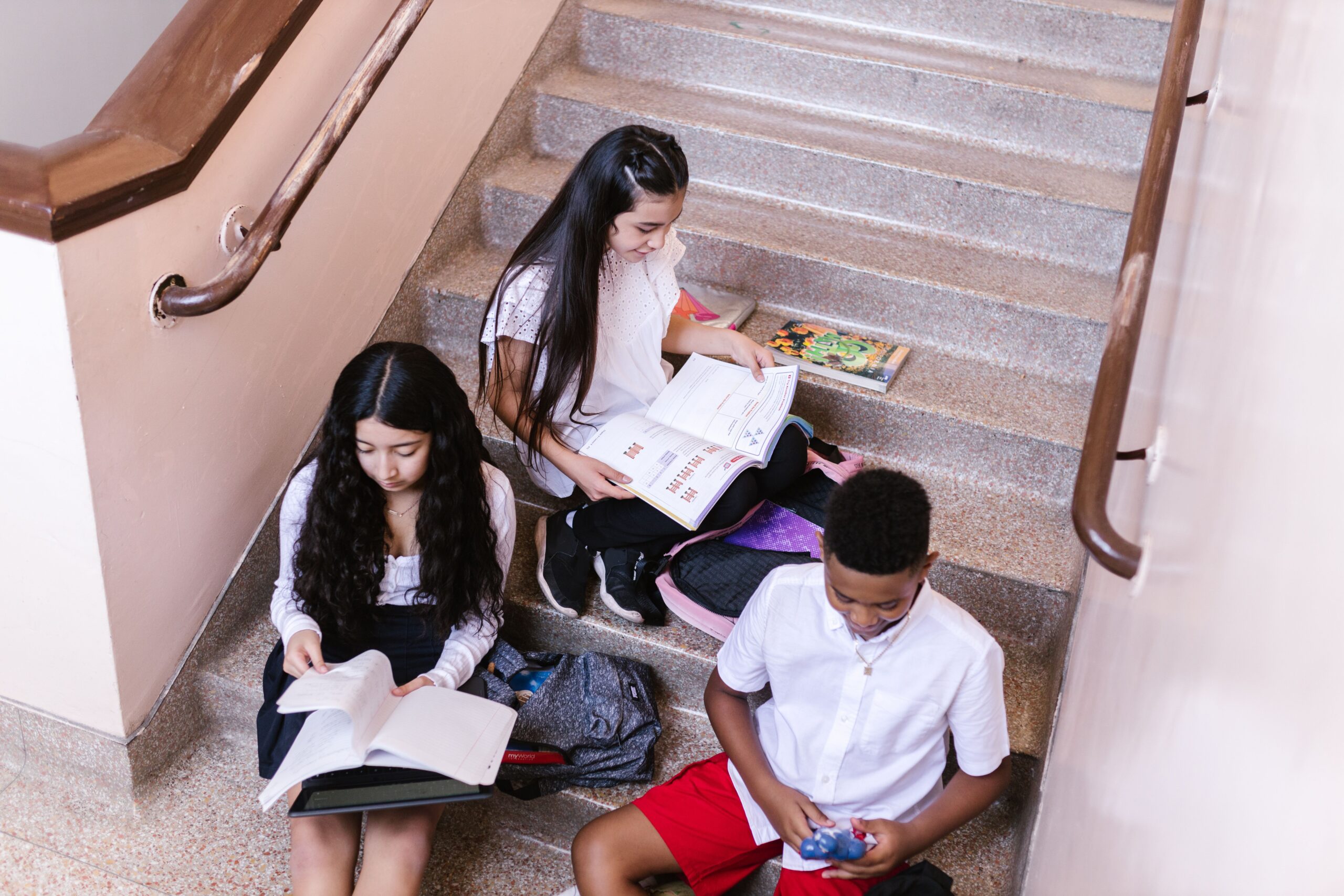
Reading remains one of the foundations of learning. It supports communication, vocabulary, comprehension and the ability to understand the world around us.

But getting learners to engage with reading can be challenging.

The latest research from the National Literacy Trust found that just 36.1% of children and young people aged 8–18 said they enjoyed reading in their free time in 2026. While this represents a small increase from 32.7% in 2025, it remains considerably below levels seen a decade ago.

So how can educators create learning experiences that encourage curiosity and help learners connect more meaningfully with reading?

One opportunity is immersive technology in education.

Why does engagement matter in literacy?

Technology alone won’t make someone a better reader.

However, creating opportunities for learners to become more interested, curious and involved in what they are learning can support a more positive relationship with reading.

The National Literacy Trust’s 2026 research highlights the continued importance of reading engagement, with only 20.3% of 8–18-year-olds reporting that they read daily in their free time.

This makes finding new ways to encourage reading engagement an important consideration for educators.

Immersive learning doesn’t mean replacing books or traditional teaching.

Instead, it can provide another way for learners to connect with the content they are already studying.

What is immersive learning?

Immersive learning uses digital environments and technology to place learners inside an experience.

In an education setting, this might involve:

→ Exploring a virtual environment using ClassVR

→ Bringing a story or subject to life inside an Immersion Room

→ Using interactive displays to explore text, images and ideas

→ Combining visual, audio and interactive content to create a shared learning experience

The aim isn’t simply to make a lesson more exciting.

It’s to give learners something to explore, discuss, question and connect back to their learning.

Bringing stories beyond the page

Consider a class reading a story set in an unfamiliar environment.

The teacher could begin with the book, exploring the author’s descriptions and introducing key vocabulary.

The learners could then explore an immersive representation of the setting.

What can they see?

What sounds might they hear?

How would they describe the environment?

What might the characters experience there?

The experience can then lead back to the text.

Learners can compare what they experienced with the author’s description, identify new vocabulary and use what they have explored as inspiration for their own writing.

The technology hasn’t replaced reading.

It has created another route into the story.

How Immersion Rooms can support literacy

An Immersion Room can transform a learning space using projected scenes, interactive floors, sound, lighting and optional sensory elements.

This allows an ordinary room to become a rainforest, an ocean environment, a historical setting or another world connected to the lesson.

For literacy, this creates opportunities to use immersive environments as a stimulus for:

→ Creative writing

→ Descriptive vocabulary

→ Storytelling

→ Comprehension and discussion

→ Exploring characters and settings

→ Collaborative learning

For example, instead of simply asking learners to imagine a rainforest from a written description, an immersive environment can provide a shared visual setting to explore before returning to the text.

The teacher can then use that experience to develop language and understanding.

Explore Immersion Rooms →


pexels silverkblack 36698338

Using ClassVR to explore new worlds

Virtual reality can offer another way to connect reading with experience.

With ClassVR, learners can explore virtual places and environments that may be difficult to access in person.

This could support literacy by providing inspiration and context around a text.

A class studying a story set in another country could explore the environment before discussing the setting.

Learners could explore a landscape before writing a descriptive passage.

Or they could investigate a location connected to a story and use what they discover to develop questions, vocabulary and discussion.

The important part is what happens before, during and after the experience.

The technology provides the stimulus.

The teaching turns that experience into learning.

Explore ClassVR →

Making literacy more interactive

Interactive displays can also support engagement by making learning more collaborative.

Teachers can bring text, images, video and interactive activities together, allowing learners to contribute ideas and explore content as a group.

A class might:

→ Highlight unfamiliar vocabulary

→ Build a visual story map

→ Analyse a character

→ Explore different interpretations of a text

→ Collaboratively develop ideas for creative writing

This can help move learners from simply receiving information towards actively participating in the lesson.

Explore Interactive Displays →

Immersive technology should complement great teaching

The most effective use of education technology isn’t necessarily the most impressive.

It starts with the learning objective.

If an immersive experience helps learners understand a setting, then it has a purpose.

If ClassVR provides useful context for a story, it has a purpose.

If an interactive display helps a class collaborate around a text, it has a purpose.

The technology should support the teacher rather than compete with them.

The pedagogy comes first. The technology provides another tool.

pexels katerina holmes 5905524

From reading to experiencing

The UK’s reading engagement challenge isn’t going to be solved by technology alone.

But technology can offer educators new ways to create meaningful learning experiences.

Books remain fundamental.

Teachers remain essential.

And immersive technology can provide another layer between the two, helping learners explore the environments, ideas and experiences behind the words they are reading.

From an Immersion Room to ClassVR and interactive displays, the opportunity is not to replace traditional literacy teaching.

It is to expand what learning can look like around it.

Because sometimes, helping a learner connect with a story starts with giving them the opportunity to step inside its world.

Explore Interactive Play →

Explore immersive learning solutions

FutureVisuals provides immersive education technology solutions for schools, colleges, universities and other learning environments, including Immersion Rooms, ClassVR and interactive displays.

From initial room design through to installation, training and ongoing support, immersive learning environments can be designed around the needs of each educational setting.

Discover how immersive technology could transform your learning environment.

Thinking about technology for your space?

Book a free demo

© 2026 FutureVisuals, a trading name of All Office Ltd. | Website by Crayon Digital