


Beyond Accessibility: How Immersive Technology Can Create More Inclusive Spaces

Accessibility is evolving.

While traditional accessibility measures have focused on removing physical barriers, organisations are increasingly looking at how environments can support different ways of learning, working, communicating, and engaging.

This shift is creating new opportunities for technology to play a role in inclusion, not just by improving access, but by creating experiences designed around the needs of the people using them.

Immersive technology is one example of how organisations can rethink their spaces and create environments that are more flexible, engaging, and adaptable.

What Does Inclusive Technology Really Mean?

An inclusive environment recognises that people interact with spaces in different ways.

In workplaces, classrooms, and healthcare settings, individuals may have different communication preferences, learning styles, sensory needs, or ways of processing information. A one-size-fits-all approach does not always create the best experience.

Technology can help organisations design spaces that provide more choice and flexibility.

Interactive displays, immersive rooms, digital environments, and collaborative AV solutions allow users to engage with information in different ways; whether through visual content, interactive experiences, movement, or shared collaboration.

How Immersive Rooms Support Inclusive Experiences
Newsletter Logo Banner copy 4 scaled

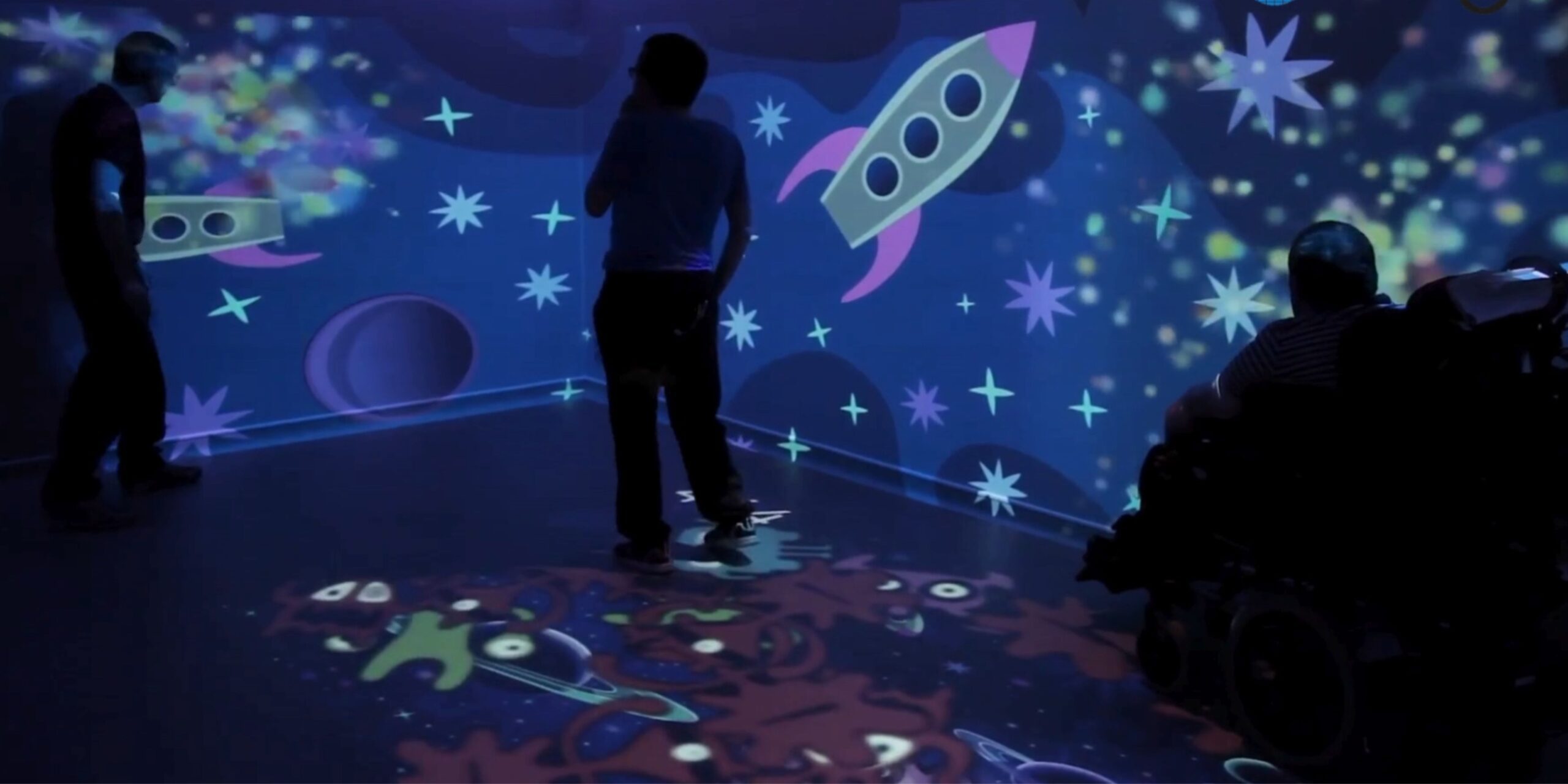
Immersive rooms transform traditional spaces by surrounding users with digital content, creating environments that encourage engagement and exploration.

These spaces can support inclusion in several ways:

Supporting Different Learning Styles

People absorb information differently. Some respond best to visual experiences, while others benefit from interactive or experiential learning.

Immersive environments can help educators and trainers create experiences that move beyond traditional presentations, allowing users to explore content in a more engaging way.

From virtual environments and simulations to interactive lessons, immersive technology provides new ways for people to connect with information.

Creating More Engaging Training Environments

For organisations, creating effective training experiences is a constant challenge.

Immersive rooms can support more engaging learning by allowing teams to experience scenarios rather than simply read or hear about them.

This can be particularly valuable for onboarding, skills development, safety training, and collaborative learning sessions.

Supporting Adaptable Environments

Inclusive spaces should be adaptable.

Immersive technology allows environments to be changed depending on the purpose of the space. A single room can become a training area, collaboration space, educational environment, or interactive experience.

This flexibility allows organisations to create spaces that work for different users and requirements.

The Role of AV Technology in Inclusive Design
lucid origin A premium immersive room installation showcasing inclusive AV design large inter 0

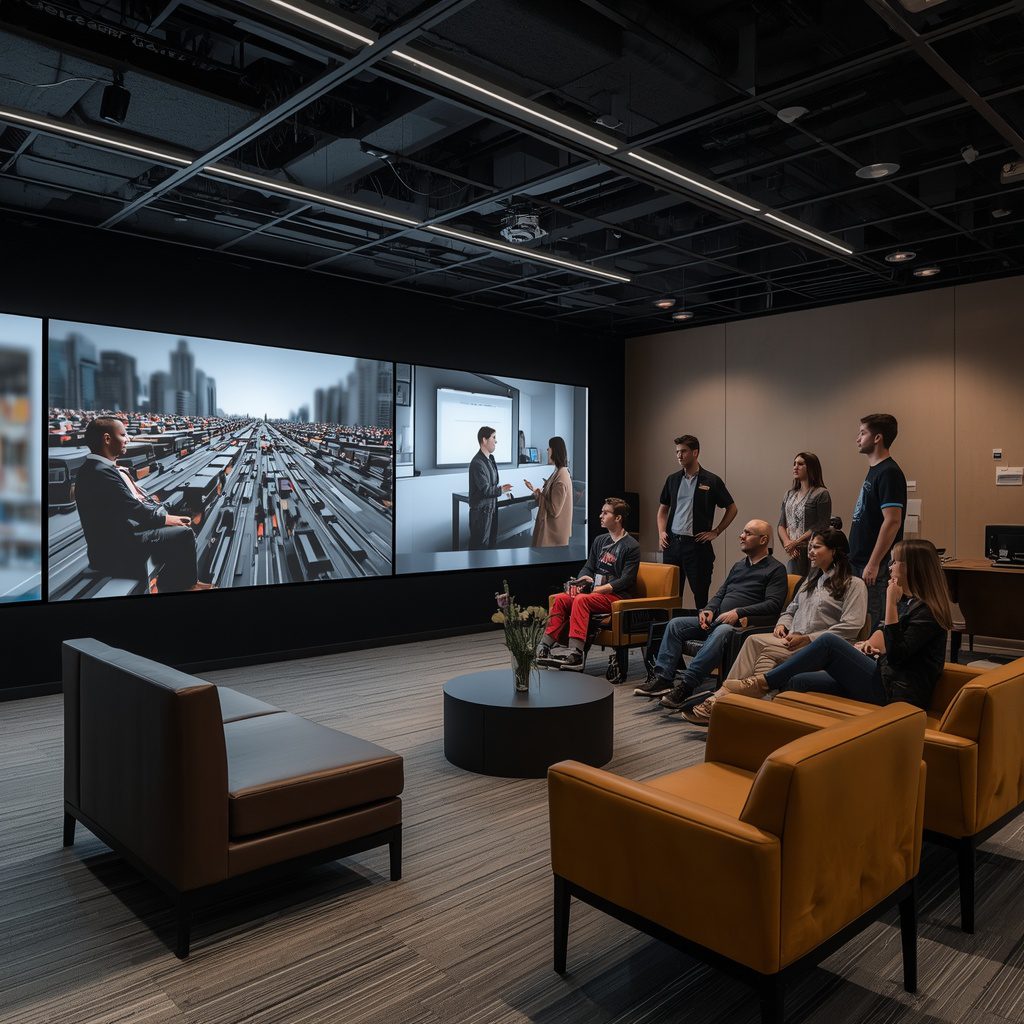
Creating inclusive environments requires more than a single piece of technology. It requires thoughtful design.

Audio, visual, and interactive systems all contribute to how people experience a space.

Clear audio solutions, accessible visual content, intuitive controls, and flexible room designs all help create environments where more people can participate comfortably.

The goal is not simply to add technology; it is to use technology with purpose.

Building Spaces Designed Around People

Disability Pride Month is an opportunity to recognise the importance of inclusion and consider how environments can better support everyone.

For organisations planning future workplaces, learning environments, or visitor experiences, technology can play an important role in creating spaces that are more engaging, adaptable, and inclusive.

Immersive rooms represent a shift towards experience-led design; creating environments that do not simply accommodate people but actively enable participation.

Create a More Inclusive Space With Immersive Technology

Whether you are developing a workplace collaboration space, an educational environment, or a specialist immersive experience, the right technology strategy can help you create spaces designed around your users.

Speak with our team to explore how immersive technology can support your organisation.

Speak to our specialist sales team  |  0151 372 7766  |  info@futurevisuals.co.uk  |  Public sector & education POs accepted
Home / Blog / Beyond Accessibility: How Immersive Technology Can Create More Inclusive Spaces
Blogs15 Jul 2026

Beyond Accessibility: How Immersive Technology Can Create More Inclusive Spaces

Accessibility is evolving.

While traditional accessibility measures have focused on removing physical barriers, organisations are increasingly looking at how environments can support different ways of learning, working, communicating, and engaging.

This shift is creating new opportunities for technology to play a role in inclusion, not just by improving access, but by creating experiences designed around the needs of the people using them.

Immersive technology is one example of how organisations can rethink their spaces and create environments that are more flexible, engaging, and adaptable.

What Does Inclusive Technology Really Mean?

An inclusive environment recognises that people interact with spaces in different ways.

In workplaces, classrooms, and healthcare settings, individuals may have different communication preferences, learning styles, sensory needs, or ways of processing information. A one-size-fits-all approach does not always create the best experience.

Technology can help organisations design spaces that provide more choice and flexibility.

Interactive displays, immersive rooms, digital environments, and collaborative AV solutions allow users to engage with information in different ways; whether through visual content, interactive experiences, movement, or shared collaboration.

How Immersive Rooms Support Inclusive Experiences

Newsletter Logo Banner copy 4 scaled

Immersive rooms transform traditional spaces by surrounding users with digital content, creating environments that encourage engagement and exploration.

These spaces can support inclusion in several ways:

Supporting Different Learning Styles

People absorb information differently. Some respond best to visual experiences, while others benefit from interactive or experiential learning.

Immersive environments can help educators and trainers create experiences that move beyond traditional presentations, allowing users to explore content in a more engaging way.

From virtual environments and simulations to interactive lessons, immersive technology provides new ways for people to connect with information.

Creating More Engaging Training Environments

For organisations, creating effective training experiences is a constant challenge.

Immersive rooms can support more engaging learning by allowing teams to experience scenarios rather than simply read or hear about them.

This can be particularly valuable for onboarding, skills development, safety training, and collaborative learning sessions.

Supporting Adaptable Environments

Inclusive spaces should be adaptable.

Immersive technology allows environments to be changed depending on the purpose of the space. A single room can become a training area, collaboration space, educational environment, or interactive experience.

This flexibility allows organisations to create spaces that work for different users and requirements.

The Role of AV Technology in Inclusive Design

lucid origin A premium immersive room installation showcasing inclusive AV design large inter 0

Creating inclusive environments requires more than a single piece of technology. It requires thoughtful design.

Audio, visual, and interactive systems all contribute to how people experience a space.

Clear audio solutions, accessible visual content, intuitive controls, and flexible room designs all help create environments where more people can participate comfortably.

The goal is not simply to add technology; it is to use technology with purpose.

Building Spaces Designed Around People

Disability Pride Month is an opportunity to recognise the importance of inclusion and consider how environments can better support everyone.

For organisations planning future workplaces, learning environments, or visitor experiences, technology can play an important role in creating spaces that are more engaging, adaptable, and inclusive.

Immersive rooms represent a shift towards experience-led design; creating environments that do not simply accommodate people but actively enable participation.

Create a More Inclusive Space With Immersive Technology

Whether you are developing a workplace collaboration space, an educational environment, or a specialist immersive experience, the right technology strategy can help you create spaces designed around your users.

Speak with our team to explore how immersive technology can support your organisation.

Thinking about technology for your space?

Book a free demo