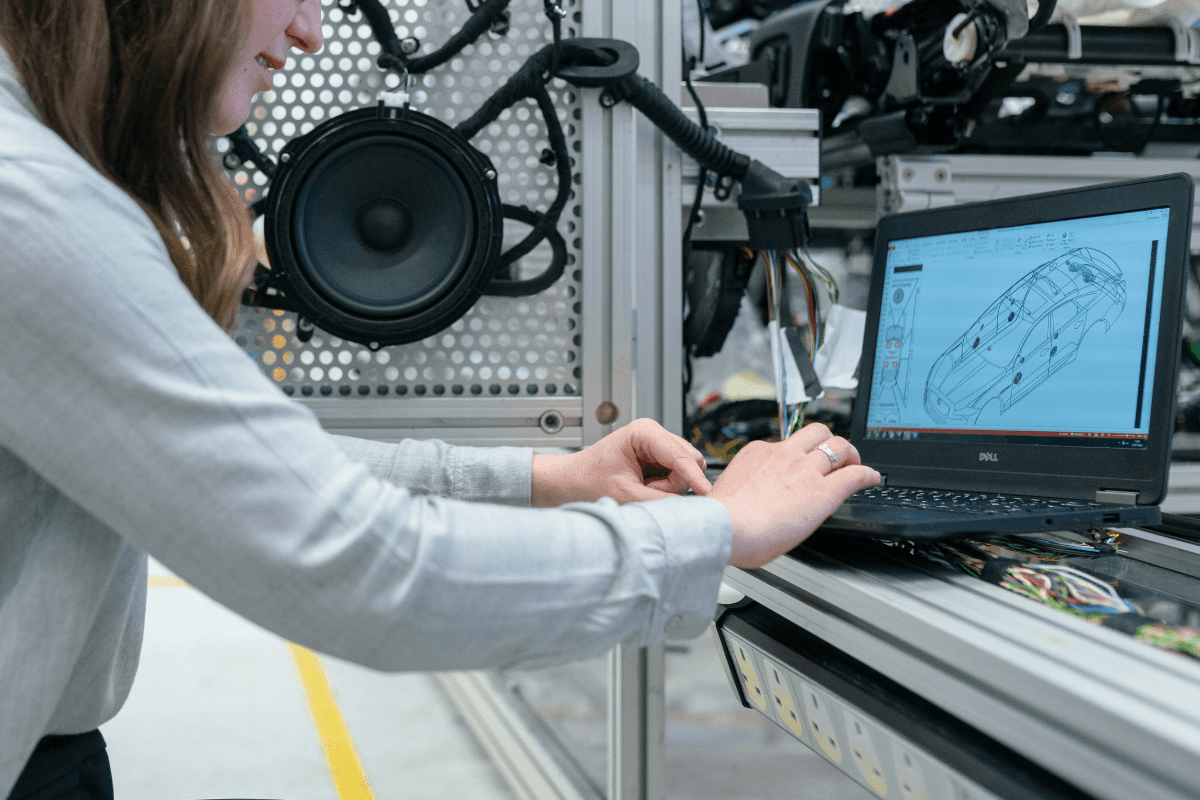



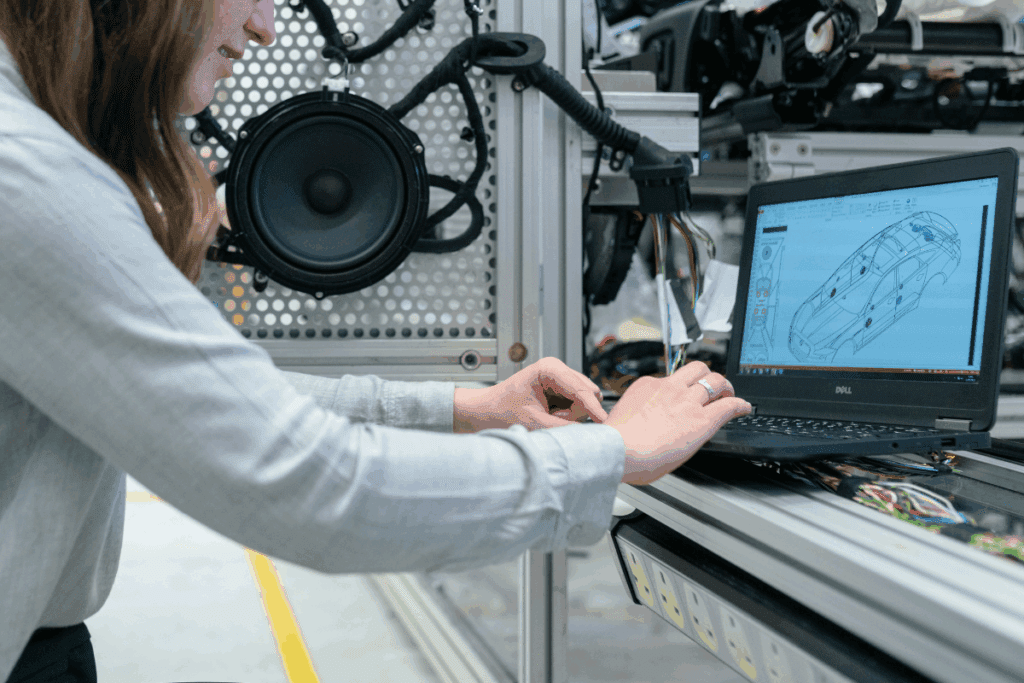
International Women in Engineering Day is a chance to celebrate the achievements of women across the profession while encouraging more young women to explore careers in engineering.
Today, engineering extends far beyond traditional perceptions of machinery and manufacturing. It encompasses healthcare, education, software development, and innovative technologies that improve how people learn, communicate, and engage with the world around them. At FutureVisuals, we see this impact every day through our interactive flat panels, touch tables, and touchscreen solutions used across schools, healthcare environments, and public spaces.
This year’s International Women in Engineering Day theme, Engineering Intelligence, highlights how engineers are combining technical expertise, digital innovation, and human-centred thinking to solve complex challenges and improve lives. From healthcare technologies to interactive learning environments, intelligent engineering is shaping the future across countless industries.
To mark the occasion, we spoke with Megan Lloyd, whose career journey highlights the many different paths available within engineering and the positive impact technology can have on people’s lives.

A Career in Engineering and Healthcare
Megan studied Medical Engineering at Swansea University and was involved with the Institution of Mechanical Engineers (IMechE) during her studies. She began her career with a global medical device company in 2018 before moving into Field Service Engineering in 2022. In 2024, she transitioned into Clinical Applications, where she now focuses on supporting training and technology adoption within healthcare settings.
Having worked across both technical engineering roles and training environments, Megan has seen first-hand how technology is transforming the way people learn and develop new skills.
Breaking Down Barriers Through Technology
One of the biggest advantages Megan has experienced is the flexibility that technology brings to education and training.
“Computing means training no longer has to be delivered face-to-face. That’s particularly beneficial when there are language barriers, travel limitations, or time restraints. I saw similar benefits during my degree too.”
The ability to access training digitally allows organisations to reach more people, more effectively. Interactive technologies can make learning more engaging, collaborative, and accessible, helping users absorb information in ways that suit their individual needs.
FutureVisuals’ interactive flat panels and touch tables support this approach by creating environments where learners can actively participate rather than simply observe, encouraging greater engagement and knowledge retention.
Supporting Different Learning Styles
For Megan, the value of interactive technology is also personal.
As someone with dyslexia, she recognises how interactive learning tools can help make education more accessible for students who may learn differently.
“Having interactive resources allows better engagement and can be a much more effective tool for people with learning difficulties. Looking back, I wish we had access to these kinds of tools when I was at school.”
Technology has an important role to play in creating inclusive learning environments. Interactive touchscreens and collaborative touch tables allow information to be presented visually, dynamically, and in multiple formats, helping learners engage with content in ways that work best for them.
As awareness of neurodiversity continues to grow, technologies that support different learning styles are becoming increasingly valuable within both education and workplace training.
Engineering’s Role in Improving Healthcare
Megan’s career in medical engineering has also given her insight into the growing importance of digital technology within healthcare.
“In engineering, I’m naturally more tools-orientated, but software upgrades massively improve the user experience and help support compliance, especially across medical devices.”
While engineering often focuses on physical products and equipment, software and digital systems now play a vital role in improving patient outcomes, training healthcare professionals, and ensuring regulatory compliance.
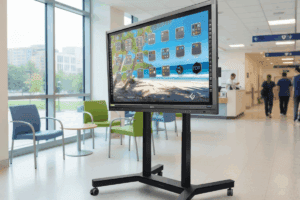
Interactive technologies can support NHS training programmes, patient education initiatives, and communication within healthcare environments. By presenting information in a clear, engaging, and accessible way, touchscreen technologies help people better understand complex information and improve overall user experience.
Inspiring the Next Generation of Women Engineers
One of the most powerful aspects of interactive technology is its visibility. Whether in classrooms, hospitals, museums, visitor centres, or public spaces, these technologies demonstrate engineering in action.
When young women see technology solving real-world problems, supporting patients, improving accessibility, and helping people learn, they gain a clearer understanding of what engineering can achieve.
Engineering is not limited to one type of career path. As Megan’s journey demonstrates, opportunities exist across healthcare, software, training, technical support, product development, and countless other sectors.
By making technology more accessible and engaging, interactive solutions can help spark curiosity and inspire future generations to consider engineering as a career.
Looking Ahead
As technology continues to evolve, engineering will remain at the heart of innovation.
Interactive Touch Tables, Interactive Displays, and Touchscreen Technologies are helping organisations create more inclusive learning environments, improve healthcare experiences, and engage communities in meaningful ways.
This International Women in Engineering Day, we celebrate women like Megan Lloyd who are helping shape the future of engineering while inspiring others to follow in their footsteps. Their experiences demonstrate that engineering is not only about building technology – it’s about improving lives through innovation.